
Why batteries are important
Why batteries are important — Renewable Energy Solutions
Solar batteries are very important because they store the excess energy produced by solar panels, allowing that energy to be used later during the night or during power outages without relying on diesel generators.
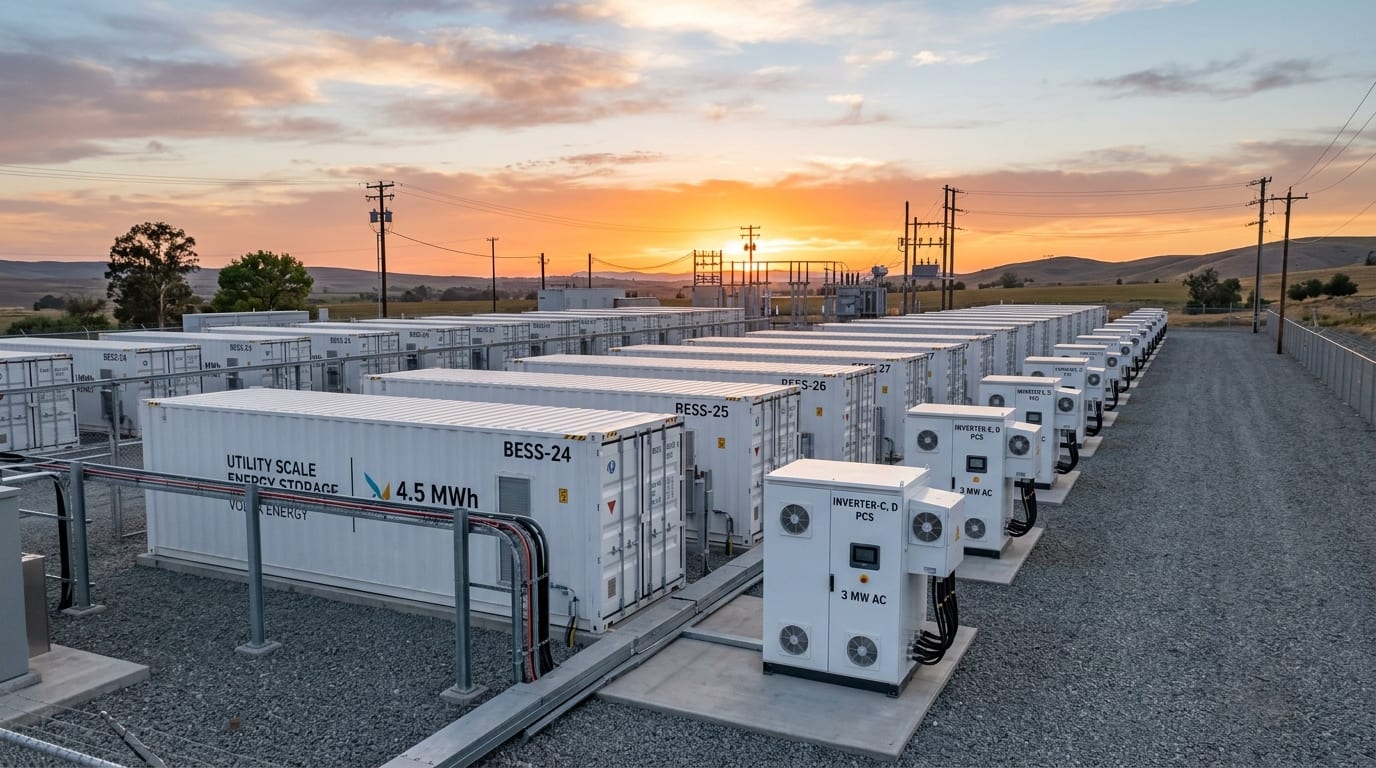
While solar panels produce peak energy during the brightest daylight hours, power demand often surges in the evening and continues throughout the night. Battery Energy Storage Systems (BESS) bridge this critical gap, capturing surplus midday power so you never lose light or momentum.
1. 24/7 Uninterrupted Clean Power
Without an energy storage system, any solar energy not consumed instantaneously is either fed back to the grid or goes unused. Incorporating high-efficiency lithium battery storage allows households and businesses to store every surplus kilowatt-hour for evening usage.
During grid blackouts or cloudy weather, the battery seamlessly supplies electricity without flickering or interruption, preserving critical refrigeration, lighting, servers, and security systems.
2. Eliminating Expensive and Noisy Diesel Generators
In many parts of the region, businesses and communities run diesel generators for hours every single night. The escalating price of fuel, recurring oil changes, filter replacements, and noxious fumes make diesel generators an unsustainable financial drain.
By pairing solar with intelligent battery storage, companies can eliminate or reduce generator run-time by over 80–95%, drastically slashing fuel bills and noise pollution.
3. Modern LiFePO4 Battery Safety & Longevity
Today's advanced Lithium Iron Phosphate (LiFePO4) battery chemistry provides supreme thermal stability, deep depth of discharge (up to 90-95%), and remarkable life cycles exceeding 6,000 cycles (over 10 to 15 years of daily operation).
Unlike legacy lead-acid batteries, modern lithium storage solutions require zero acid refilling, maintain compact footprints, and include smart Battery Management Systems (BMS) for total peace of mind.
4. Peak Shaving and Tariff Optimization
For commercial facilities on time-of-use tariffs, batteries can be programmed to discharge during peak tariff hours, avoiding the most expensive grid rates and optimizing overall monthly power expenditures.
Key Takeaways
- Stores surplus daytime solar generation for seamless nighttime utilization.
- Provides instantaneous backup during power outages and grid blackouts.
- Replaces noisy, costly diesel generator runtime with clean, silent battery power.
- Features safe, long-lasting LiFePO4 chemistry designed for over a decade of performance.