Wind Energy
Wind Energy — Renewable Energy Solutions
Wind energy is important for several environmental, economic, and social reasons. Here's a breakdown of why it matters: Clean, sustainable, reduces greenhouse gas emissions, and lowers reliance on fossil fuels.
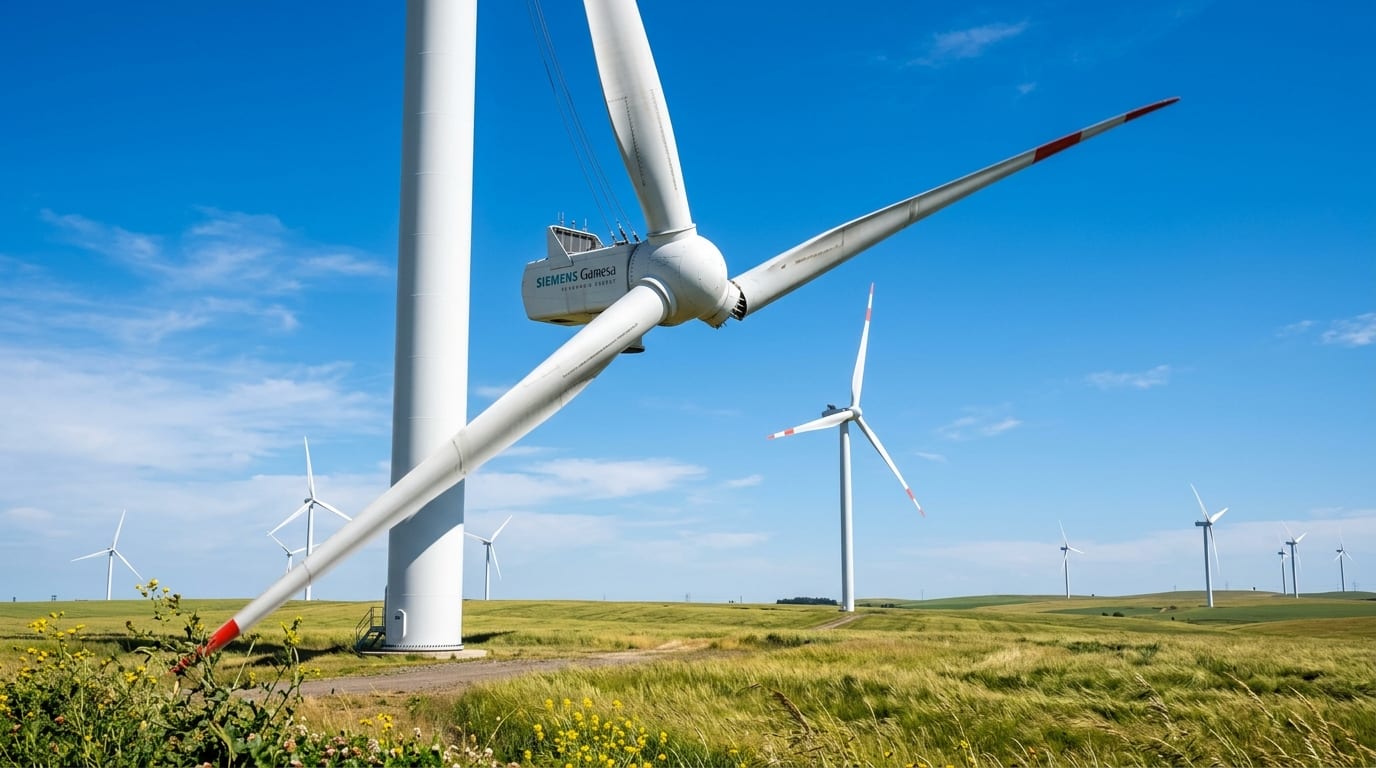
Wind is among nature's most abundant and dynamic forces. By transforming the kinetic energy of airflow into clean, dispatchable electricity, wind energy systems provide high-yield generation for microgrids, remote communities, and industrial operations.
1. The Power of Natural Airflow
Wind turbines harness wind currents through aerodynamic blades that drive an electrical generator. Because wind blows day and night, it complements solar energy exceptionally well.
In many geographic zones, wind speeds actually intensify during late afternoons, evenings, and nighttime hours—precisely when solar irradiance drops off.
2. The Strength of Solar-Wind Hybrid Systems
Combining wind turbines with solar arrays and battery storage creates a resilient hybrid microgrid. When solar generation decreases during rainy or overcast periods, wind speeds often increase.
This natural complementarity minimizes the total battery capacity required and guarantees steady baseload power for off-grid communities, water pumping stations, and telecom towers.
3. Economic Opportunities & Local Empowerment
Wind projects spur regional economic development by creating high-skilled technical jobs in installation, mechanical maintenance, and electrical engineering.
For remote rural centers and coastal districts, localized wind microgrids mean access to reliable power for cold storage, health centers, and educational facilities without importing costly fossil fuels.
4. Zero Water Consumption & Minimal Environmental Footprint
Unlike conventional thermal or nuclear power plants that consume millions of liters of freshwater for cooling, wind turbines require virtually zero water during operation. In arid and semi-arid climates, this conservation of precious water resources is invaluable.
Key Takeaways
- Generates clean, renewable electricity day and night.
- Perfect complement to solar PV in hybrid microgrid installations.
- Zero water consumption during electricity generation, ideal for arid regions.
- Protects communities against volatile global fuel prices and energy shortages.